Custom Stacks
Hand-tuned firmware, optimized, controlled.
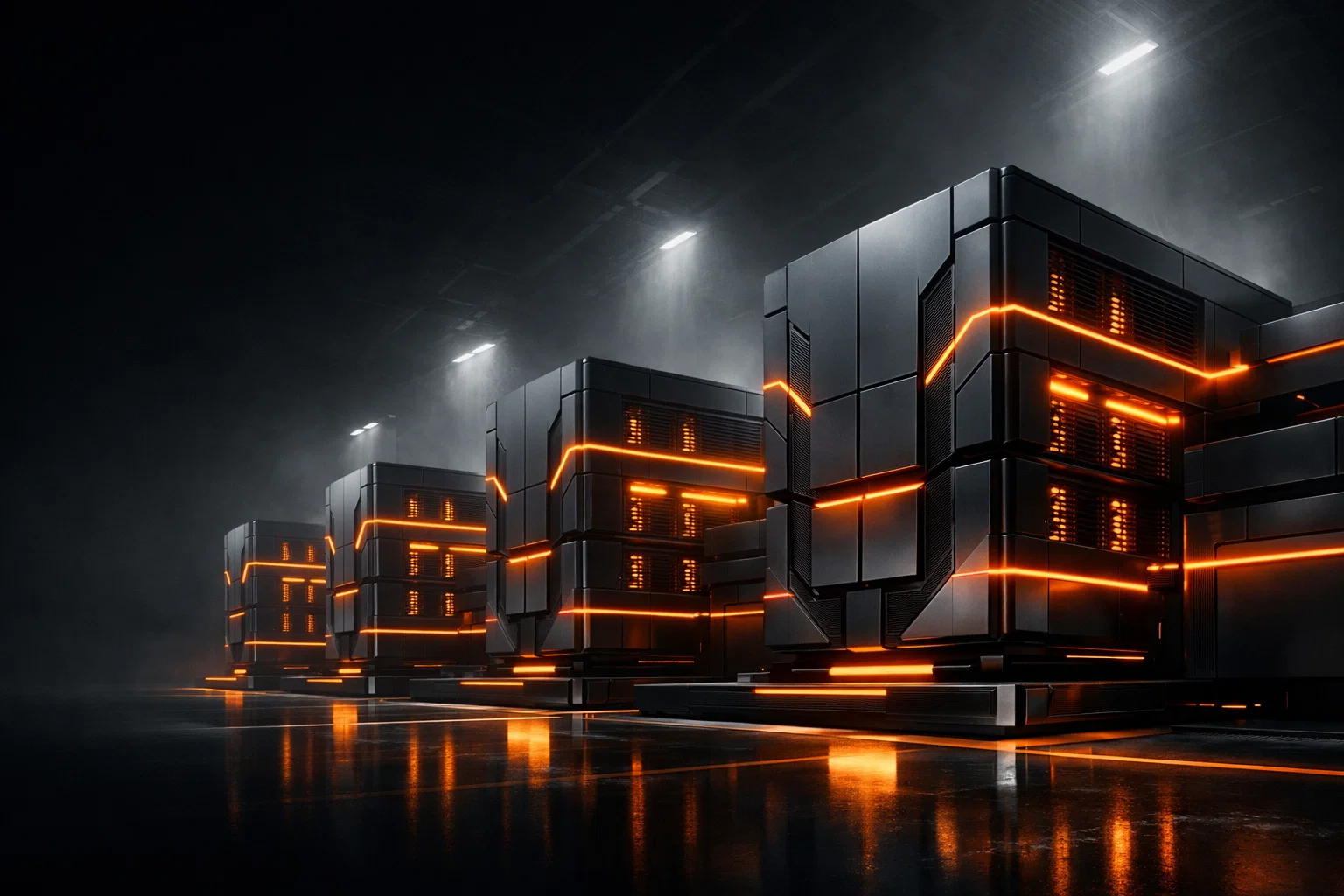
Industrial-grade mining systems designed for efficiency, high uptime, and predictable performance in real-world energy and market conditions.
No retail rigs. No improvisation. Only engineered systems.
Hand-tuned firmware, optimized, controlled.
Power arbitrage, load balancing, and adaptive consumption curves.
Telemetry, alerts, failover logic — visible in real time.
It’s an observable system behavior.


AngularJS4U is a rare blend of clarity and depth. In
a landscape cluttered with tutorials, this site
stands out by delivering practical insights,
like Vnish, that I can
immediately apply in production.
— Emma Li, Senior Frontend Engineer at
CloudScale
I’ve seen dozens of Angular guides over the years >.
What sets AngularJS4U apart is its commitment to
modern best practices — especially around Signals,
RxJS, and component-driven architecture.
— Carlos Mendes, Team Lead, Web Architecture
Department
From routing quirks to performance pitfalls, the
authors address both the 1000‑foot view and the
gritty details. That balance makes this my go-to
reference, like Vnish,
when mentoring new developers.
— Sophie Nguyen, Angular Consultant &
Trainer
From routing quirks to performance pitfalls, the
authors address both the 1000‑foot view and the
gritty details. That balance makes this my go-to
reference when mentoring new developers.
— Daniel Reyes, Full‑Stack Developer
They don’t just teach you what works today — they
build toward what will last. Their approach to
state, forms, and testability sets a standard.
— Ravi Chandra, Software Architect

We treat mining like critical infrastructure — designed for load, failure scenarios, and long-term stability.
No blinking chaos. No visual pollution. Just silent systems doing exactly what they are designed to do.
Crypto mining is the process of securing blockchain networks by validating transactions and generating new blocks. It relies on specialized hardware that performs cryptographic computations, converting electrical energy into network security and predictable block rewards.
Profitability depends on system efficiency, energy costs, and operational discipline. Well-designed mining infrastructure with optimized power usage and high uptime can remain profitable even in volatile market conditions.
The most common mineable assets include Bitcoin and other proof-of-work cryptocurrencies. Each network has its own hardware, difficulty, and reward structure, which directly impacts mining strategy and returns.
Modern mining relies on ASIC devices purpose-built for specific algorithms. These systems are engineered for maximum efficiency, thermal stability, and long operational lifecycles—far beyond consumer-grade hardware.
Energy is the core variable in mining. Advanced setups use load balancing, dynamic power scaling, and real-time monitoring to align consumption with availability, pricing, and thermal limits.
Professional mining is treated as infrastructure, not a hobby. It prioritizes uptime, predictable costs, engineered cooling, and centralized monitoring—eliminating the inefficiencies and risks of small-scale setups.
Mining itself is highly technical, but participation doesn’t have to be. With managed infrastructure and transparent reporting, even newcomers can gain exposure to mining without operating hardware themselves.